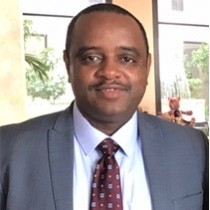
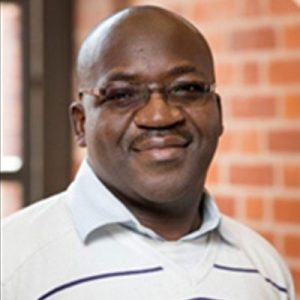
The Fobang Institutes for Innovations in Science and Technologies (FINISTECH) in Yaoundé is hosting an international certified program on data science and mathematical modeling from December 8-12, 2025, bringing together diverse participants; researchers, policymakers, and students to strengthen their analytical skills in public health data manipulation.
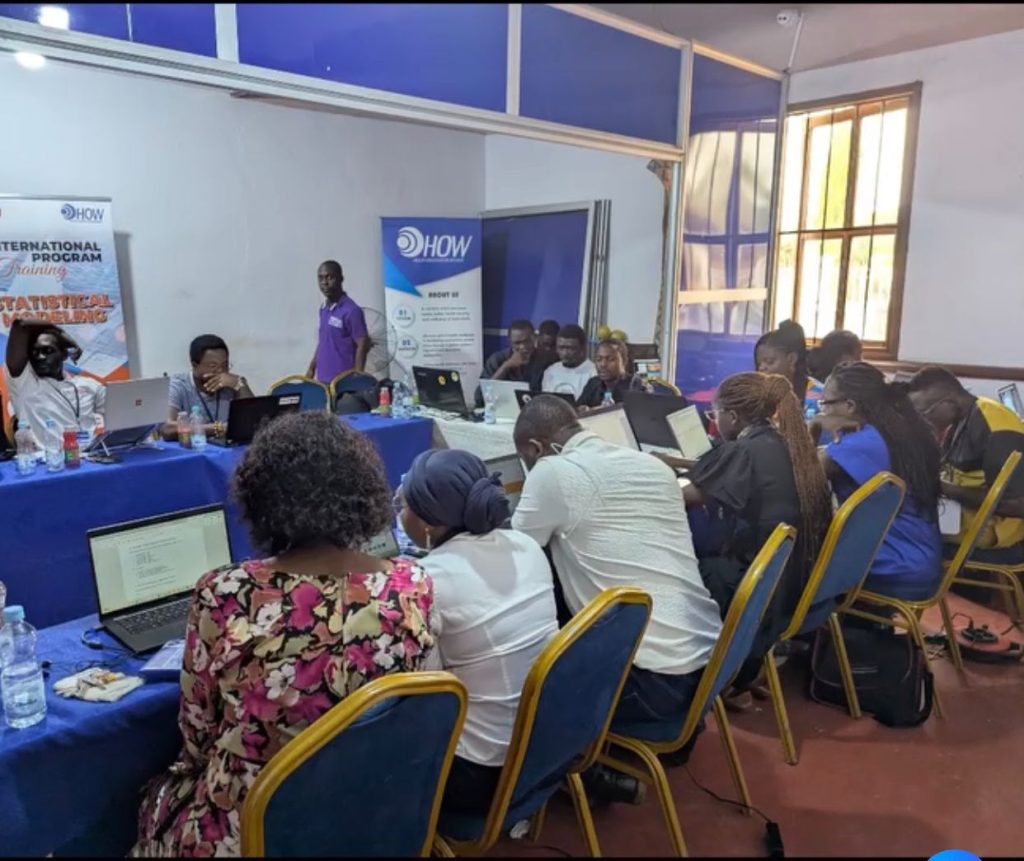
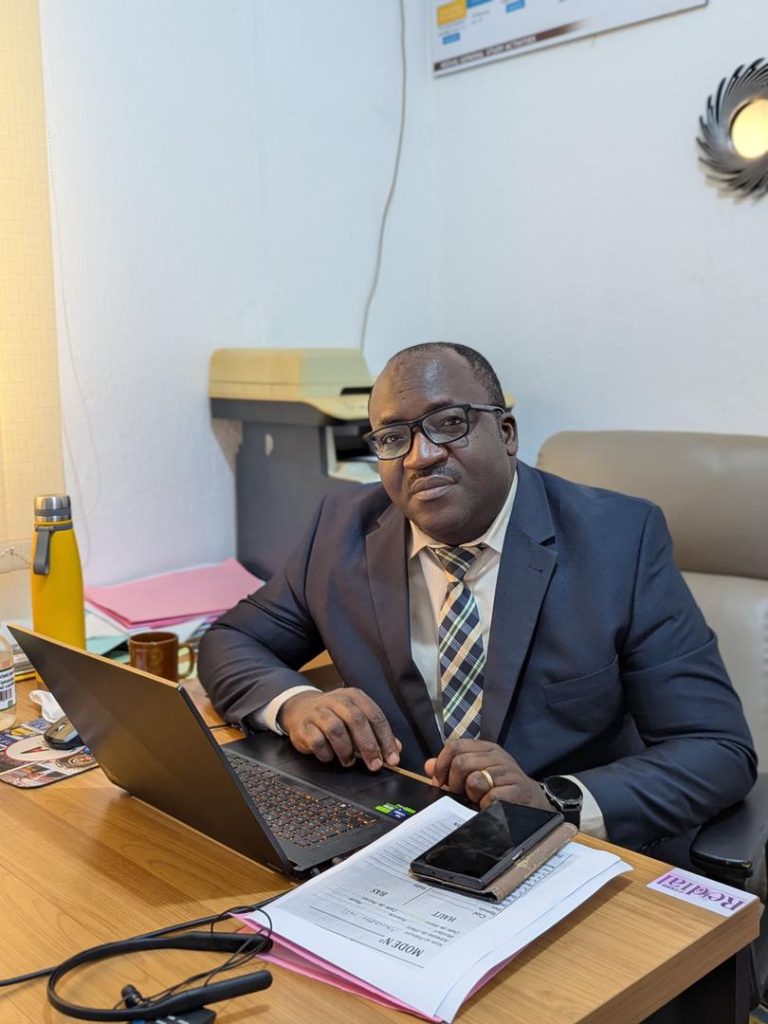
Sponsored by the Global Applied Malaria Modeling Network (AMMnet Global) and coordinated by Professor Akindeh Nji, FINISTECH’s Vice-President for Research and Cooperation, AMMnet’s Cameroon Chapter Scientific Coordinator, and Associate Professor of Biostatistics and Disease control in the University of Yaoundé 1, the ongoing program is on its second week of implementation inline to the its intended one month-long duration rotating across different locations. We were honored to have participants from the Ministry of Health, all focused on transforming theoretical knowledge into practical expertise.
“This international program was brought to FINISTECH because research is one of our main drives,” explains Professor Akindeh Nji. “We handle extensive research on disease control, examining the impact of different interventions such as Seasonal Malaria Chemoprevention, Perennial Malaria Chemoprevention, vaccination, and other components in the fight against malaria. FINISTECH also runs a Health Analytics program, which gives students the opportunity to gain practical knowledge on data analysis and health analytics rather than just theoretical knowledge from the classroom.”
This training philosophy aligns perfectly with AMMnet’s mission. The network brings together health experts and modelers with quantitative skills from different continents, all passionate about malaria control. They collect and analyze data from malaria-endemic nations, seeking patterns and insights that can guide effective interventions. One of AMMnet’s core objectives is equipping professionals with the skills to extract meaningful insights from complex health data, enabling policymakers to make informed decisions about community and national disease control strategies.
This training philosophy aligns perfectly with AMMnet’s mission. The network brings together health experts and modelers with quantitative skills from different continents, all passionate about malaria control. They collect and analyze data from malaria-endemic nations, seeking patterns and insights that can guide effective interventions. One of AMMnet’s core objectives is equipping professionals with the skills to extract meaningful insights from complex health data, enabling policymakers to make informed decisions about community and national disease control strategies.
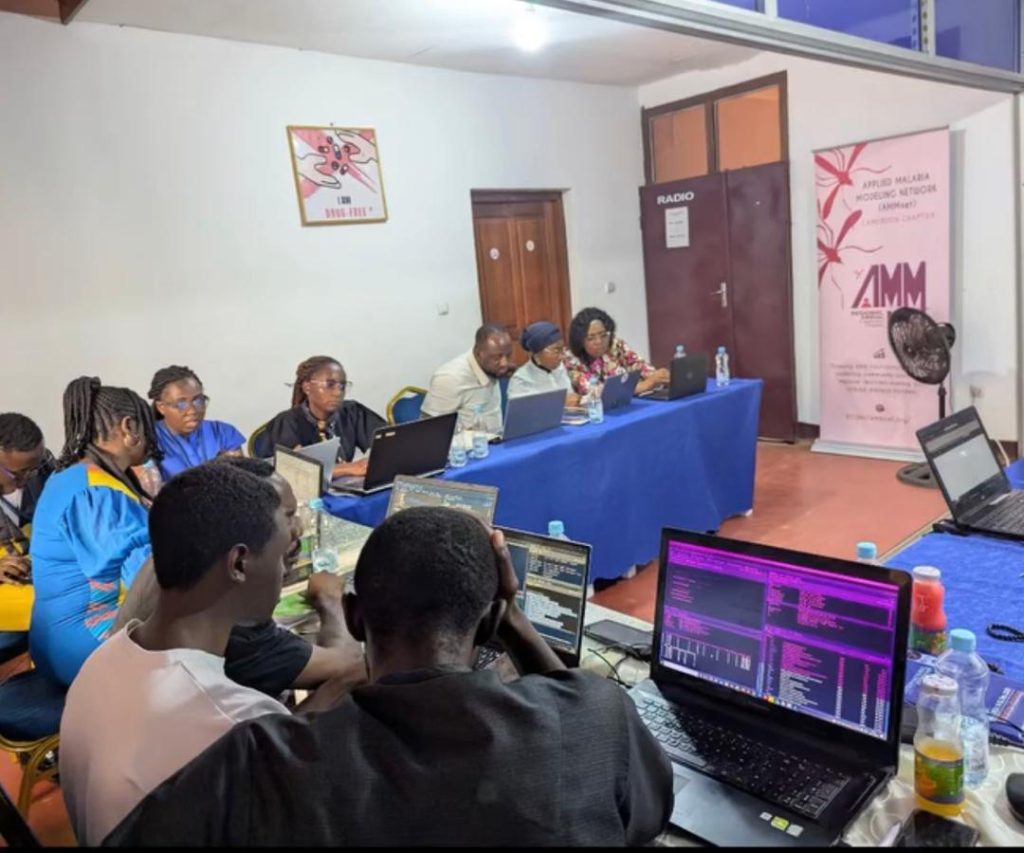
For FINISTECH Health Analytics Masters student Tatou Evan, the program has been transformative. “I am particularly excited about this training because it has enabled me to gain extra and practical knowledge outside the classroom, especially on malaria and data science and how they are being carried out in the field,” he says.
The week features intensive practical exercises designed to move participants beyond theory into real-world application. Researchers are learning to collect, clean, analyze, and interpret health data using advanced statistical and modeling techniques, skills immediately applicable to ongoing malaria research and broader public health challenges.
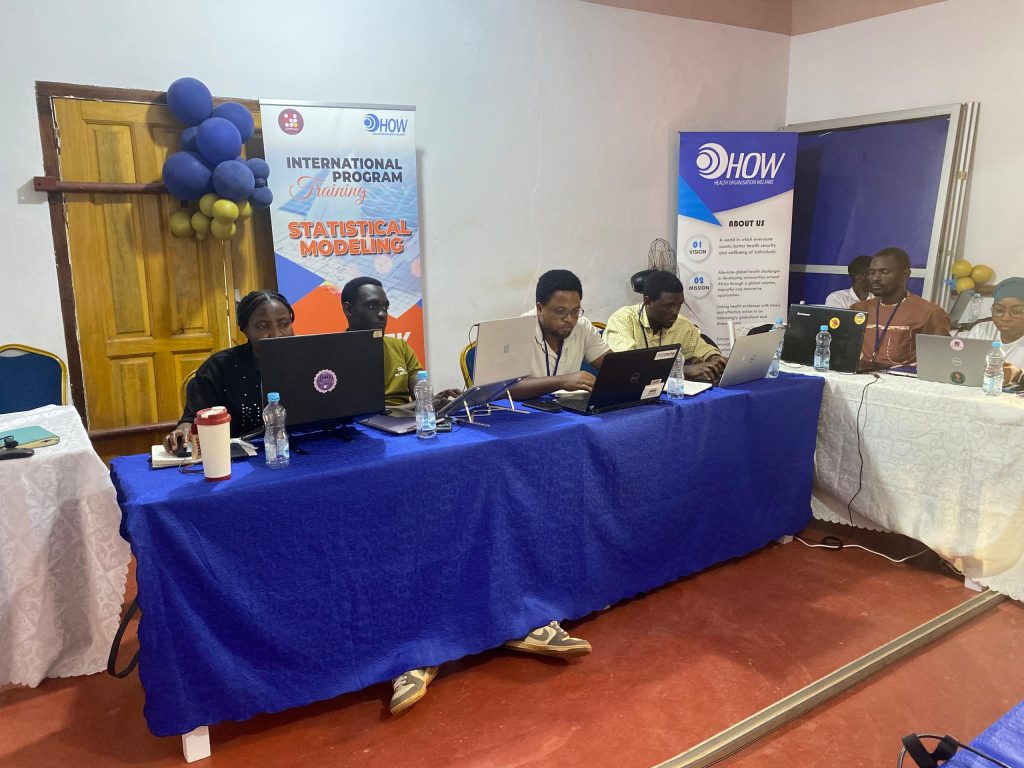
Located at Montée des Soeurs Simbock in Yaoundé, FINISTECH is a private university committed to delivering world-class education across health, sciences, technology, communication, and management disciplines at HND, Bachelors, and Masters level. The institution’s approach emphasizes professional education over general education, focusing on creating job creators rather than job seekers.
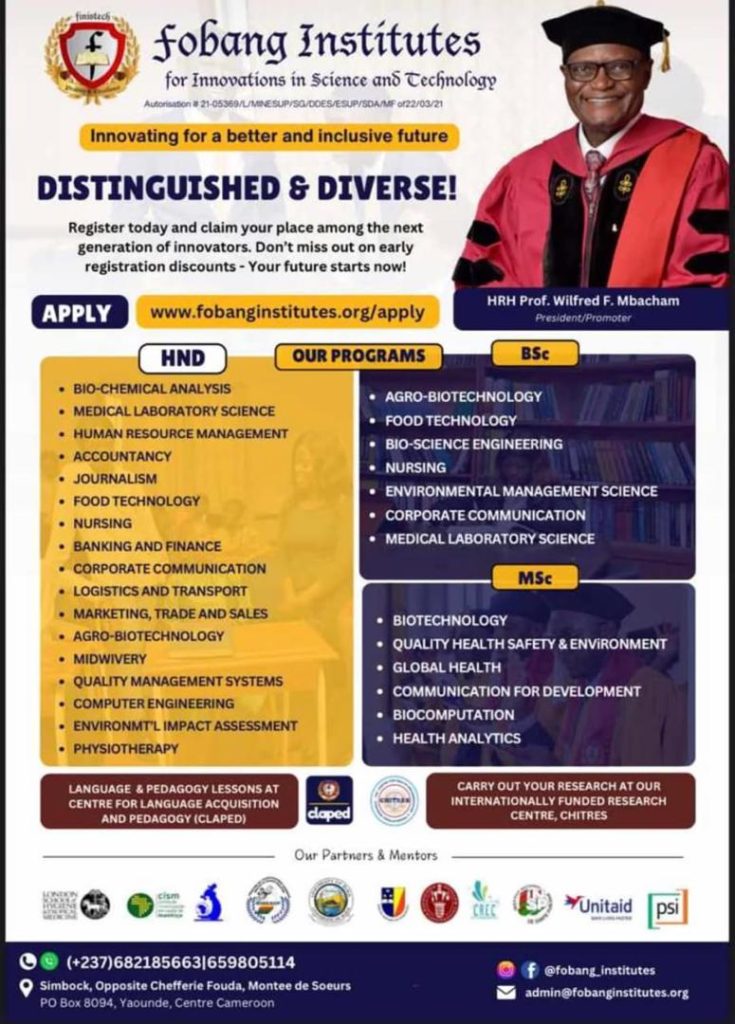
This AMMnet-sponsored training reinforces FINISTECH’s distinctive educational model, one that bridges the gap between classroom theory and field practice, equipping graduates with the practical analytical skills that health systems urgently need. As malaria and other diseases continue challenging communities across endemic regions, the ability to make data-driven decisions becomes increasingly critical. Programs like this ensure the next generation of health professionals can turn raw data into life-saving insights.

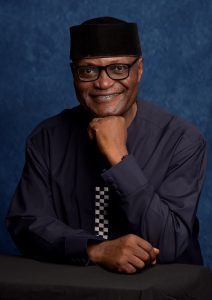 Professor Mbacham Wilfred brings over 30 years of distinguished experience in scientific research and academic leadership as President of FINISTECH University. His groundbreaking research focuses on pharmacogenomics, the molecular epidemiology of drug resistance in infectious diseases, and the critical intersection between communicable and non-communicable diseases. As Executive Director of the Multilateral Initiative on Malaria and principal investigator for the MARCAD consortium, Professor Mbacham has championed scientific advancement throughout West and Central Africa. His innovative “Pro-P.A.S.T.E.U.R.” educational philosophy has transformed tertiary education by professionalizing planning actions in science and technology. A Fellow of the Cameroon and African Academies of Sciences with over 150 publications, Professor Mbacham has secured significant international funding for research and capacity building, including EU-funded projects that have trained dozens of African and European researchers. His exceptional contributions were recognized with the 2017 World Academy of Science Prize for popularising and promoting science and technology in sub-Saharan Africa.
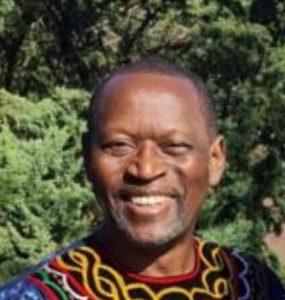 Studied Law and Interpretation. Was a journalist and Animator at Cameroon Radio and Television and Served as Translator/Interpreter at the National Assemblies of Cameroon. Served as an interpreter in the War Crimes Tribunal Arusha and continues in the same function at the ICC, the Hague.
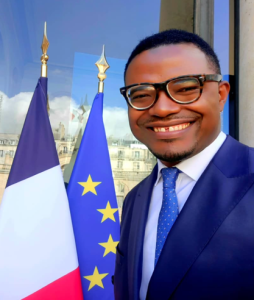 Empowerment and Transformation for All (NewSETA). He is a co-founder and the immediate former Chair of the African Movement for Democracy (AMD). Ateki was a Hurford Fellow at the World Movement for Democracy, Washington DC in 2016, and a Draper Hills Fellow at the Freeman Spogli Institute, Stanford University, USA, in 2019. He is a member of the Advisory Board of the World Youth Movement for Democracy and was one of 11 African youths to debate President Emmanuel Macron at the New Africa-France Summit in Montpelier, in October, 2021
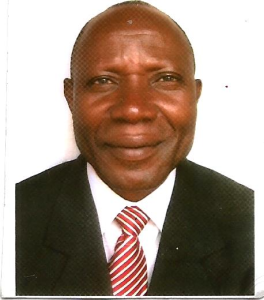 Holder of a Post Graduate Diploma in Library Sciences from the University of Newcastle Upon Tyne and a Bachelor of Library Science from University of Maiduguri, Nigeria. Executive Director of EISERVI – Education Information Services International. Member of International Advisory Board of Book Aid International and Previously lnformation Services Manager at the British Council Cameroon. Actively engaged in the development of Library and information services across the primary to the tertiary academic sectors of Cameroon.
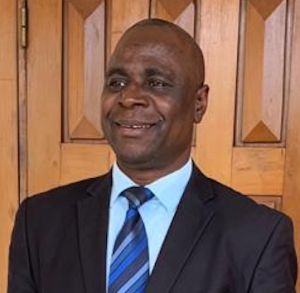 Rev Dr Ngome Elias attended the University of Dschang and the Cameroon Faculty of Evangelical Theology (FACTEC), where he obtained a degree in Agricultural Engineering (AE), a Master of Divinity (MDiv), a Master of Theology (MTH), and a PhD in theology and intercultural studies. He currently serves as the resident coordinator of the English Division of FACTEC and as the Cameroon Centre Region coordinator of Telio University Minnesota, T-Net Training of Pastors. His expertise lies in using agriculture as a tool for evangelism.
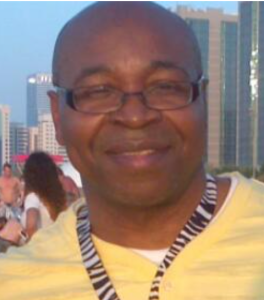 He earned his medical degrees in Nigeria, Kenya, and the UK. He runs the Nasah & Partners Practice at Dipple Medical Centre in Wickford, Essex, UK. He is a general practitioner specializing in providing services related to diagnostic and screening procedures, family planning, maternity and midwifery services, surgical procedures, and treatment of diseases, disorders, or injuries.
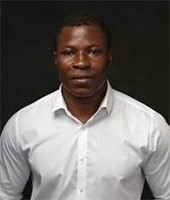 Studied Performing and Visual Arts, Theatre Arts and Theatre for Communication, Education and Development. Served as Technical Adviser Ministry of Culture. Consultant for HIV/AIDS Prevention and Sensitisation UNAIDS, Sierra Leone and Theatre for Education Consultant, UNESCO Cameroon. Lecturer for Performing Arts at the Universities of Yaoundé I and Buea.
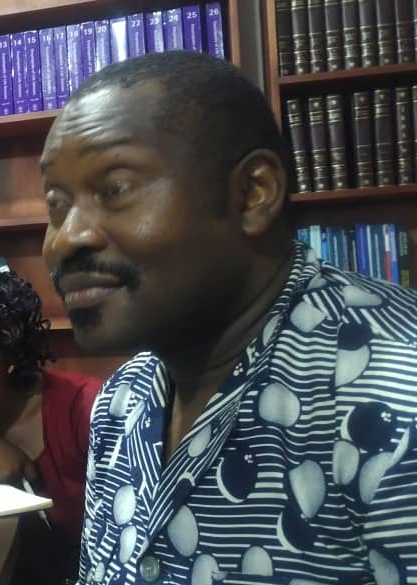 He holds an MSc and PhD in Biochemistry from the University of Yaoundé I and currently works for Labyrinth Global Health Inc. as the Africa Regional Director & Senior Laboratory Technical Director. He is an expert in laboratory development, supervision and strengthening as well as in the implementation of Public Health research. He teaches and supervises students on One health and emergent pandemics at the University of Yaoundé I, as an Honorary Researcher for the University of Kwazulu-Natal in Durban, South Africa.
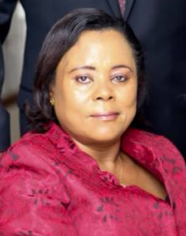 Experienced English language educator, with experience as a TESOL teacher at Technical High School and as a Regional Pedagogic Inspector for Bilingualism. I have also, served as a Full Bright Fellow with the American Embassy and as a National Pedagogic Inspector for Bilingualism. Additionally, I am the author of English language textbooks and a coordinator at the Centre for Language Acquisition and Pedagogy (CLAPED).
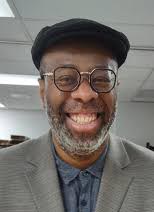 Dr Ken Obenson is a pathologist in New Brunswick, Canada. He graduated in medicine from the University of Lagos (1987) and is certified by the American Board of Pathology in Anatomic and Clinical Pathology, Cytopathology and Forensic Pathology. He is also certified in Perinatal Pathology (France). The Horizon Health Network currently employs Dr. Obenson and serves as Chief Forensic Pathologist for the province of New Brunswick in Eastern Canada
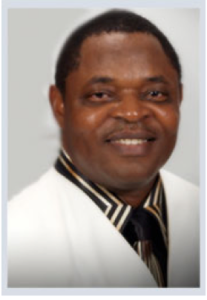 Holds a PhD in Applied Economics and Food Security from Newcastle University. He has previously worked in the Centre for Rural Economy, at Newcastle University and in the Action Against Stunting Hub at the London School of Hygiene and Tropical Medicine. He part of the Perivoli Africa Research Centre and the Africa Population and Health Research Centre (APHRC), at the University of Bristol, where he is actively engaged in research to advance the development of transformative care systems and economies for Africa.
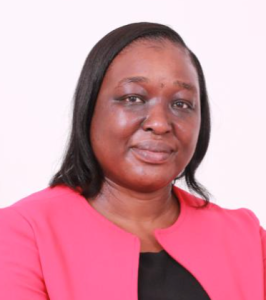 Manka Gwei works at Citibank, she has risen along the ranks to Sub-Saharan Africa Franchise Governance Office; She served as Vice President; CFO – Cameroon, West and Central Africa Sub Cluster, Citibank Cameroon for 13 years; Business Finance Partner at Standard Chartered Bank; Senior Internal Auditor at All first Financial Inc. She is also teens teacher and is author of Christian books on teenage parenting.
 A DVM from Nigeria, he is an Expert in Molecular Medical Microbiology with over 20 years of experience in animal disease surveillance and zoonosis. He acted as a visiting Postgraduate lecturer at the Biotechnology Center and also at the Department of Medicine and Biomedical Sciences, University of Y’dé 1. He is now an expert consultant at the International Atomic Energy Agency (IAEA), Vienna, and a Steering Committee for Africa One Health Network member. Holds the position of Director General at LANAVET